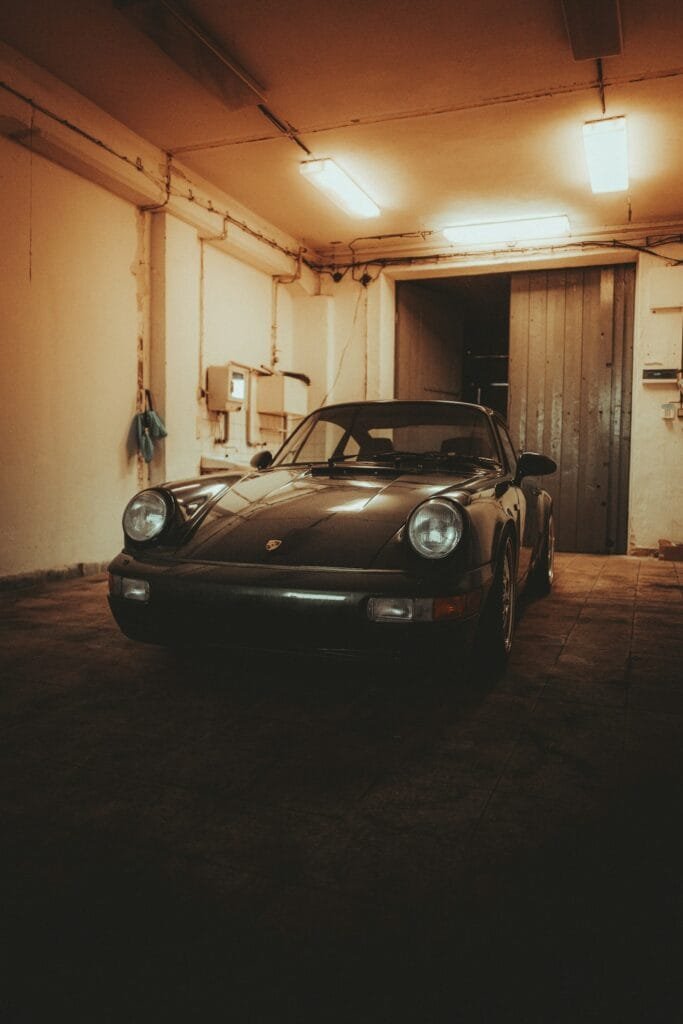
Storing a Porsche for several weeks in Dubai? Clean and dry it, check its condition, set cold tyre pressures using the instructions for that exact vehicle, and arrange the correct battery care before leaving it. During storage, look for leaks, moisture and charger faults. Before driving again, check the tyres, fluids, brakes and warning messages. The details vary by model year, battery type and equipment, so use the owner’s manual for your VIN where it gives a storage procedure.
This is a checklist for a normally parked road car, not a substitute for the vehicle’s manual or a workshop inspection. A 911, Cayenne E-Hybrid and Taycan do not share one charging or fuel-storage routine. For a car that has been flooded, shows high-voltage damage or has an active safety warning, arrange qualified help before attempting storage or a restart.
Before storage
Confirm the vehicle-specific instructions
Note the VIN, model year, planned storage period and the battery fitted. Check the manual for tyre pressures, charging points, parking and locking instructions, fuel guidance where applicable, and any procedure for a vehicle that will sit unused. The pressure printed on a tyre sidewall is a limit for that tyre, not the car’s normal inflation target. Do not add pressure above the Porsche instruction merely because the garage is hot. Porsche Classic storage advice concerns older cars. Its tyre and parking suggestions should not be applied unchanged to a current SUV or electric model.
Clean, dry and inspect
- Wash off grit and brake dust, then dry the body, wheel areas and door seals before applying a cover. A cover rubbed across dust can mark paint. Close the windows and roof after the cabin has dried.
- Remove food and damp items. If a carpet is already wet or smells musty, find and dry the source before storage. Covering the car will not fix water trapped beneath it.
- Record existing warning messages and obvious leaks. Check engine oil and coolant only by the procedure for the fitted engine. If a level is low, find out why and use only the specified fluid. Do not routinely top up every reservoir.
- A low brake-fluid level or brake warning calls for inspection of the brake system. Do not treat an automatic top-up as storage preparation. If the brake pedal is abnormal or a brake warning requires stopping, do not drive.
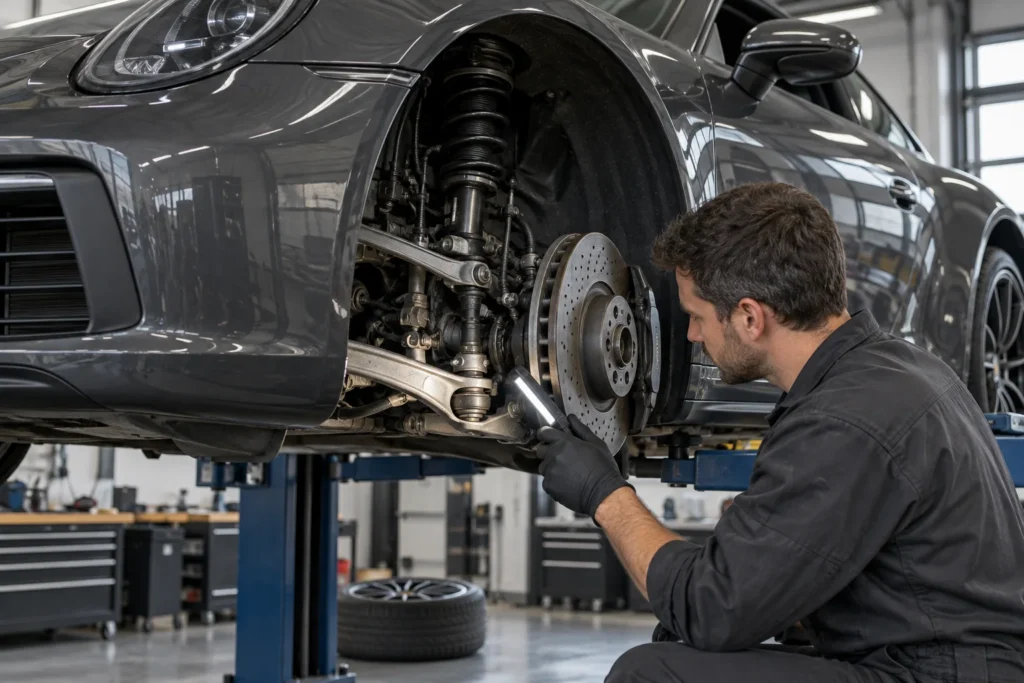
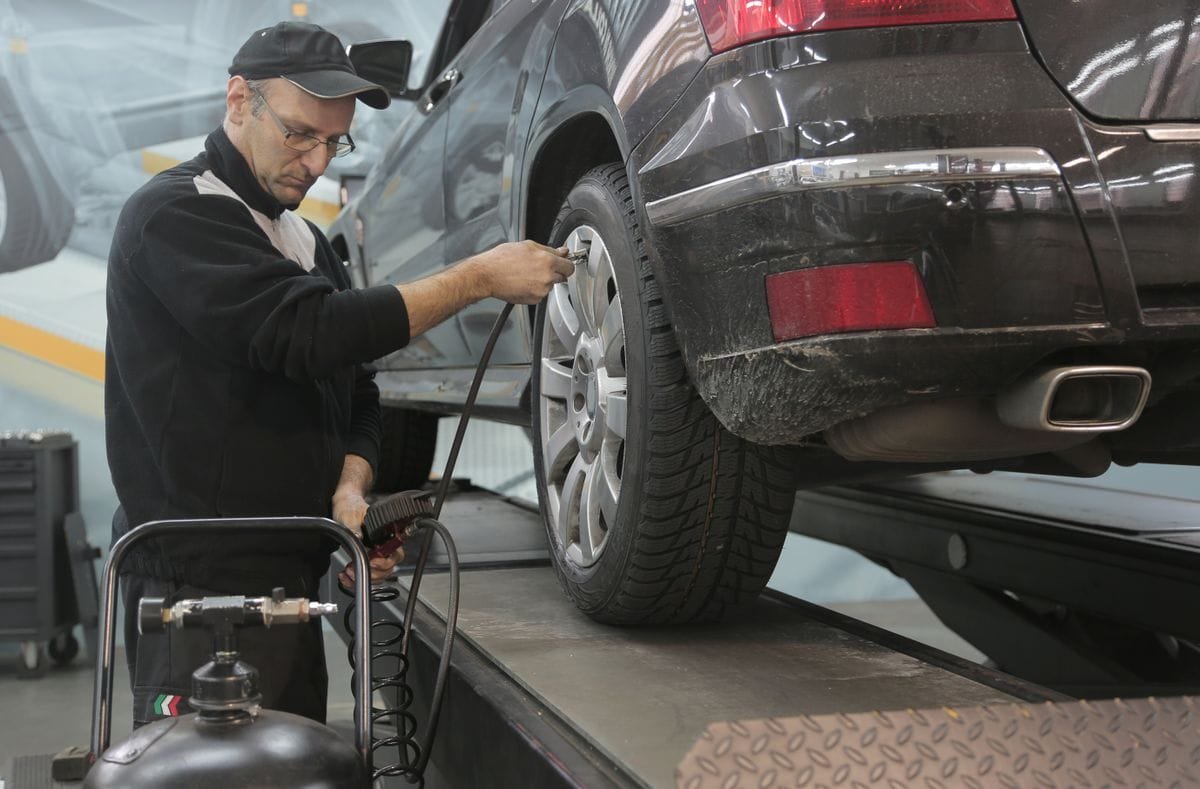
- Check the tyres for damage and measure pressures cold using the vehicle’s pressure label or manual. If long standing is expected, ask about the applicable storage instruction and whether tyre cradles are useful for this car.
Plan battery care for the fitted system
A suitable 12 V maintainer can help prevent a flat starter battery, but the charger, programme and connection point must match the car and battery. Porsche’s Charge-o-mat Pro information distinguishes 12 V lead-acid batteries, including AGM, from 12 V lithium-ion batteries. Its 12 V function does not charge a Taycan or E-Hybrid high-voltage traction battery. Check the battery identification and the vehicle and charger manuals before connecting anything. A wrong programme or connection point can cause damage.
For a Taycan or plug-in hybrid, check the model-year instructions for both the low-voltage system and high-voltage battery state of charge. Do not assume a 12 V maintainer replaces traction-battery care. Do not disconnect a battery, use a jump pack or attempt an under-voltage recovery procedure simply because the car is in storage. Porsche’s charger instructions explain the different modes and connection limits. Ask a qualified technician if the battery type or procedure is uncertain.
Park it safely
Choose a dry, secure space out of direct sun where water cannot collect around the car or charger. Close doors and windows, follow the manual’s parking-brake and immobilisation guidance, and keep the charger in the environment its instructions permit. If a cover is needed, use a clean, breathable cover on a clean car. Do not run an extension lead through a door seal or leave electrical equipment on a wet floor.
While the Porsche is stored
For a stay of several weeks, arrange an occasional visual check suited to the storage conditions. Check for water ingress, new fluid patches, tyre deflation, pests and charger error indicators. A change is a reason to investigate, not proof of a particular failed part. If someone moves the car, they should follow the vehicle’s normal operating instructions and have a safe route out of the garage.
Do not start the engine merely to idle it in the garage each month. Brief idling does not replace a proper drive or the specified battery-maintenance procedure. Exhaust can cause fatal carbon-monoxide exposure. CDC garage-safety advice warns against running a vehicle in an attached garage even with the door open. If the car needs a drive, move it fully outside first and use it normally when safe.
Before returning to the road
- Disconnect and stow the 12 V maintainer according to its instructions. Remove the cover, wheel chocks and any storage accessories before moving the car.
- Inspect for leaks, signs of moisture or pests, and tyre sidewall damage. Set cold tyre pressures to the vehicle’s driving specification. Storage settings, if any, are not road settings.
- Check oil and coolant only as the manual directs. Investigate any low brake-fluid warning or unusual pedal feel before driving. Do not open a hot cooling system or add fluid without identifying the correct type and cause of loss.
- Start or ready the car using its normal procedure. Follow dashboard warnings. A warning that persists after a low-voltage event still needs diagnosis.
- At low speed in a safe area, check braking response and steering before joining traffic. Light surface rust on discs may clear with normal braking, but grinding, pulling, vibration that persists, a soft pedal or poor stopping performance needs inspection. If the vehicle is unsafe, arrange recovery.
If the tyres have a temporary vibration after standing, let a technician assess it if it does not clear with normal use or if damage is visible. Flat spotting can be temporary or permanent. It cannot be diagnosed from storage time alone.
Useful extras, not required purchases
Reliable basics come first, including a suitable parking space, the vehicle-specific pressure and charging instructions, and a way to check the car. Cooling or dehumidifying the garage can be helpful where heat or humidity is a measured problem, but an air-conditioning installation is not a universal requirement. Tyre cradles may help with extended storage. Ceramic coating, paint protection film, cameras and tracking are optional choices based on paint condition, parking security and budget. None replaces cleaning, correct tyre care, battery care or leak checks.
When to ask a workshop
Arrange a check if the charger connection is unclear, a low-voltage warning returns, a tyre loses pressure, fluids fall, water enters the cabin or the brakes feel different when the car returns to use. If the concern is a weak 12-volt battery, battery testing and replacement should account for the exact battery type and vehicle. Share the model year, parking duration and any warnings so the workshop can identify the next check before recommending parts.
Discuss storage or a return-to-road concern
If your Porsche is about to sit for an extended period, or it has a warning or weak battery after storage, contact our independent Dubai workshop with the model year and symptoms. We can discuss an appropriate inspection and confirm what is included before you book.
Storage questions
Should I inflate the tyres above their normal setting?
Use the storage and driving pressures specified for the exact model, wheels and tyres. Do not apply a blanket increase to compensate for Dubai heat. Check cold pressures again before the first drive and follow the car’s driving specification.
Is a 12 V battery charger enough for a Taycan or E-Hybrid?
No. A 12 V maintainer serves the low-voltage battery only. The traction battery has separate charging and storage instructions that depend on the vehicle. Check its manual for the applicable state-of-charge guidance.
Can I leave the car idling in a garage to keep it healthy?
No. Garage idling creates an exhaust hazard and is not a substitute for correct storage preparation. Use an appropriate battery-maintenance method, and drive the car outside when it is safe and ready for regular use.
About this guide
PorscheGarage prepared this owner checklist using Porsche’s published manual, storage and charger guidance. The car’s current VIN-specific instructions take priority where equipment or model-year details differ.