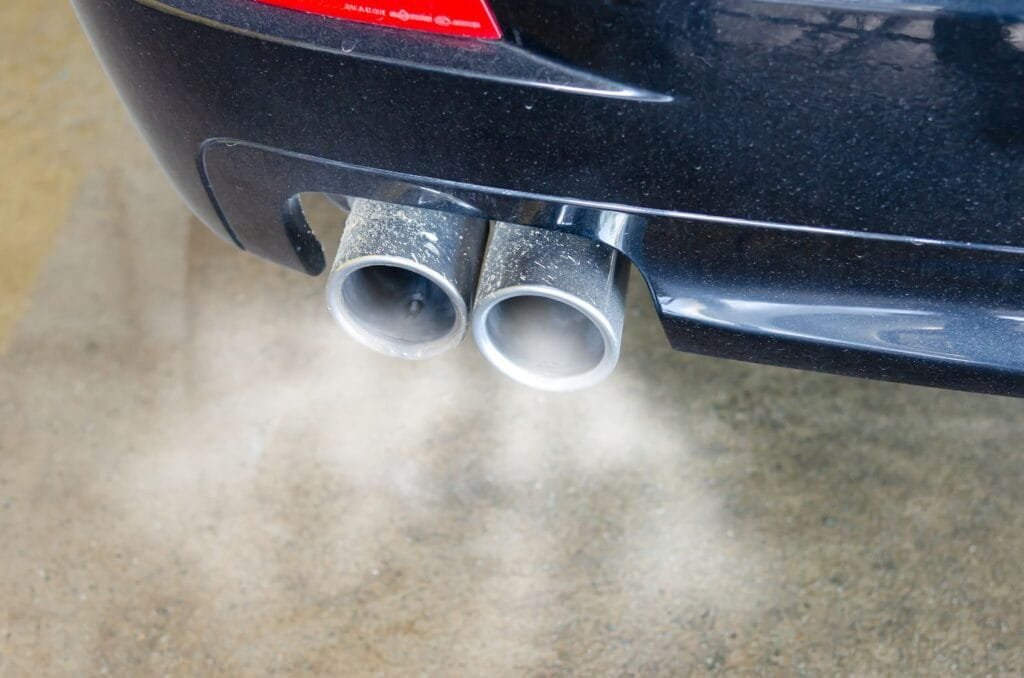
An exhaust upgrade will not cure oil burning, coolant entering the engine or a fuel and air fault. If your Porsche produces visible smoke, first establish whether it is brief start-up vapour or a persistent plume. The colour and timing are clues, but neither confirms a failed part. Heavy smoke, a red oil-pressure warning, overheating or severe rough running calls for a safe stop and recovery rather than another test drive.
This guide is for owners of petrol-engine Porsche 911, 718, Boxster, Cayman, Cayenne, Macan and Panamera models. Engines and exhaust systems vary by year and specification, so any test or repair needs to match the car. On a hybrid, also follow the vehicle’s high-voltage safety instructions. On an electric Taycan, tailpipe-smoke advice does not apply.
First, decide if it is vapour or persistent smoke
A light white mist shortly after a cold start can be water vapour from condensation in the exhaust. If it fades as the system warms and the car runs normally, record it and watch for a change. Dubai humidity and frequent short trips can make the observation more noticeable, but they do not prove that every white plume is harmless. Smoke that continues when warm, grows thicker or comes with falling fluid levels needs inspection.
Check where it comes from. A plume at the tailpipe suggests a different investigation from smoke rising under the bonnet or from beneath the car. External oil or coolant on a hot surface may cause the latter. Keep clear of hot parts and never open a pressurised coolant cap while the engine is hot.
What the smoke pattern may suggest
Blue or blue-grey: investigate oil entry
A blue tint, especially with rising oil consumption, can point to oil reaching the intake or combustion chambers. Depending on the engine, possible paths include the air-oil separator or crankcase ventilation, a turbocharger oil path, valve sealing or internal cylinder wear. These are possibilities, not a parts list to replace. Porsche notes that excess oil can create oil mist and smoke, while a Porsche Centre identifies an air-oil separator fault as one possible cause of blue exhaust smoke. Porsche’s oil guidance and air-oil separator explanation give the underlying context.
Note whether the smoke appears only after starting, after idling, on acceleration or throughout a drive. A workshop can compare oil-use history, inspect the intake and ventilation system, and check turbo oil paths on turbocharged cars. Compression, leak-down testing or a borescope may be justified if the first checks point towards internal damage. A borescope image alone cannot establish every cause of smoke. Our Porsche bore-scoring guide explains when that investigation is useful.
White after warming: check for coolant loss
Persistent dense white exhaust smoke deserves prompt attention, particularly with coolant loss, overheating or rough running. Coolant entering combustion is one possible explanation. A cooling-system pressure test and targeted engine checks can help separate it from an external leak or harmless start-up vapour. Do not identify a head gasket by colour alone, and do not drive an overheating engine to the workshop.
Dark or black: check fueling and air supply
A dark plume, especially with poor running or a warning light, can suggest excess fuel or insufficient air. The starting checks are fault codes, live fuel and air readings, intake and boost integrity where fitted, and injector or ignition behavior as indicated. A blocked catalytic converter is not a general explanation for black smoke. Replacing it or fitting a freer-flowing exhaust before testing the engine may leave the cause untouched.
When to stop driving
- Stop safely, switch off and arrange recovery if smoke is suddenly heavy or persistent, the car overheats, oil pressure is low, it misfires badly, loses power sharply, or you notice a burning smell or signs of fire. A Porsche Centre advises against driving with an oil-pressure warning. See its warning-light guidance.
- If a small mist appears only at cold start, clears as the exhaust warms, and there are no warnings or fluid losses, note the pattern and monitor it. Seek an inspection if it becomes frequent or changes.
- Check oil and coolant only as the owner’s manual instructs for your exact model. Let the engine cool before assessing coolant. Do not keep restarting the car to reproduce a severe symptom.
What to tell the workshop
Share the model, year, engine if known, mileage, when the plume appears, how long it lasts, its apparent colour, any smell, warning messages, oil or coolant-level trend, and recent work. A short video taken safely from outside the car may help. These details guide the first checks. Fault codes and smoke colour alone do not prove a repair.
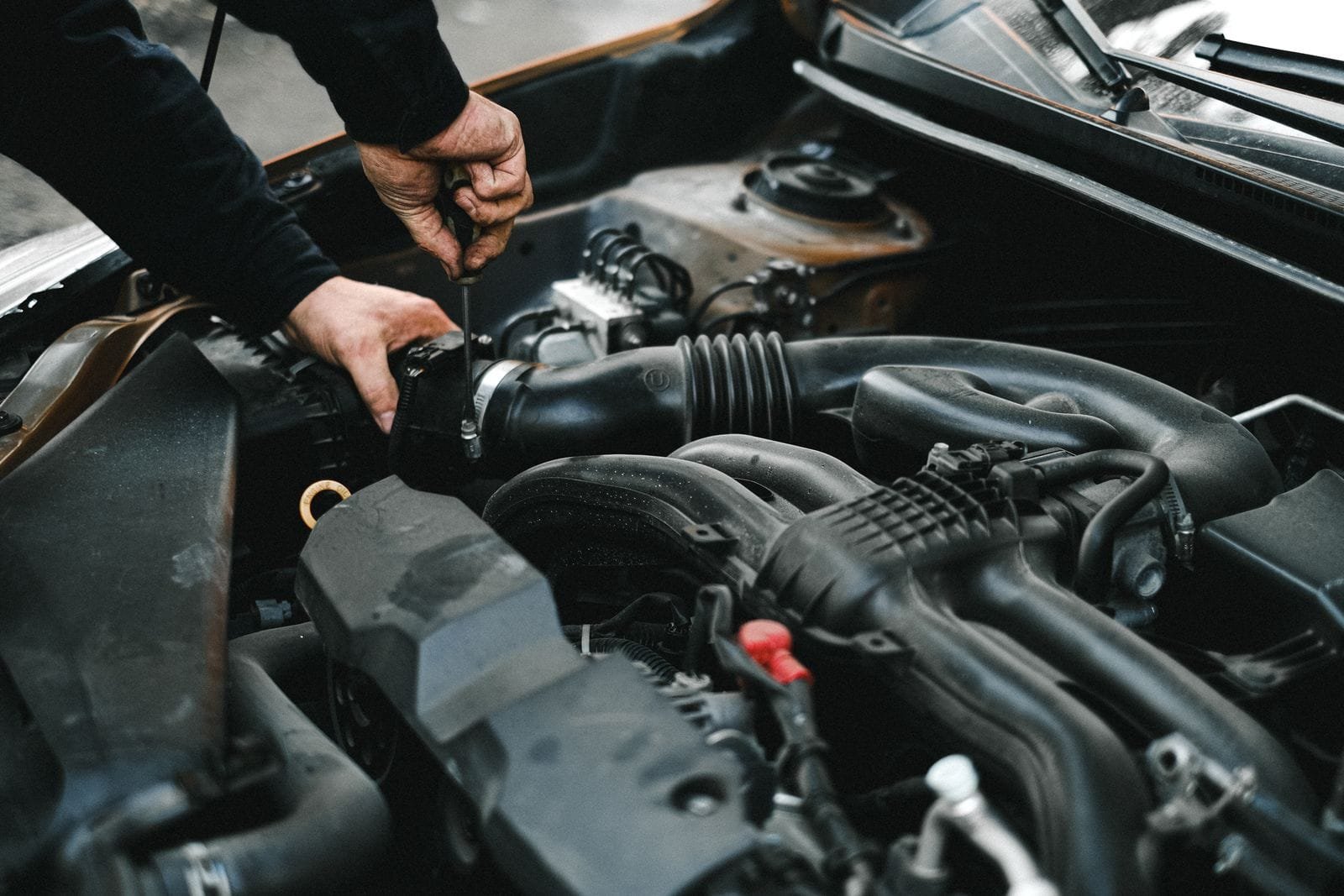
The diagnostic route should follow the evidence: check for external leaks and fluid loss, inspect the relevant air, fuel, ventilation, turbo or cooling system, then use mechanical tests if indicated. Approve a repair after the fault and scope are explained. If testing points towards internal work, our engine repair versus rebuild guide explains that decision.
Exhaust repair and modification are different decisions
A damaged or leaking exhaust component can need repair after inspection. A performance exhaust is a separate preference for sound or specification. It does not address oil burning, coolant entry or incorrect fueling. Check the exact part’s compatibility, any warranty implications and current Dubai approval and inspection requirements before modifying the vehicle. No exhaust change can guarantee a test pass, a power gain, resale value or lower repair costs.
Need a smoke diagnosis?
If the plume persists or comes with a warning, tell PorscheGarage in Al Quoz 4, Dubai what the car is doing. The workshop can discuss an appropriate inspection and quote the work after the cause is established. For severe symptoms, arrange recovery rather than driving in. See our Porsche engine repair service for the diagnostic and repair path.