
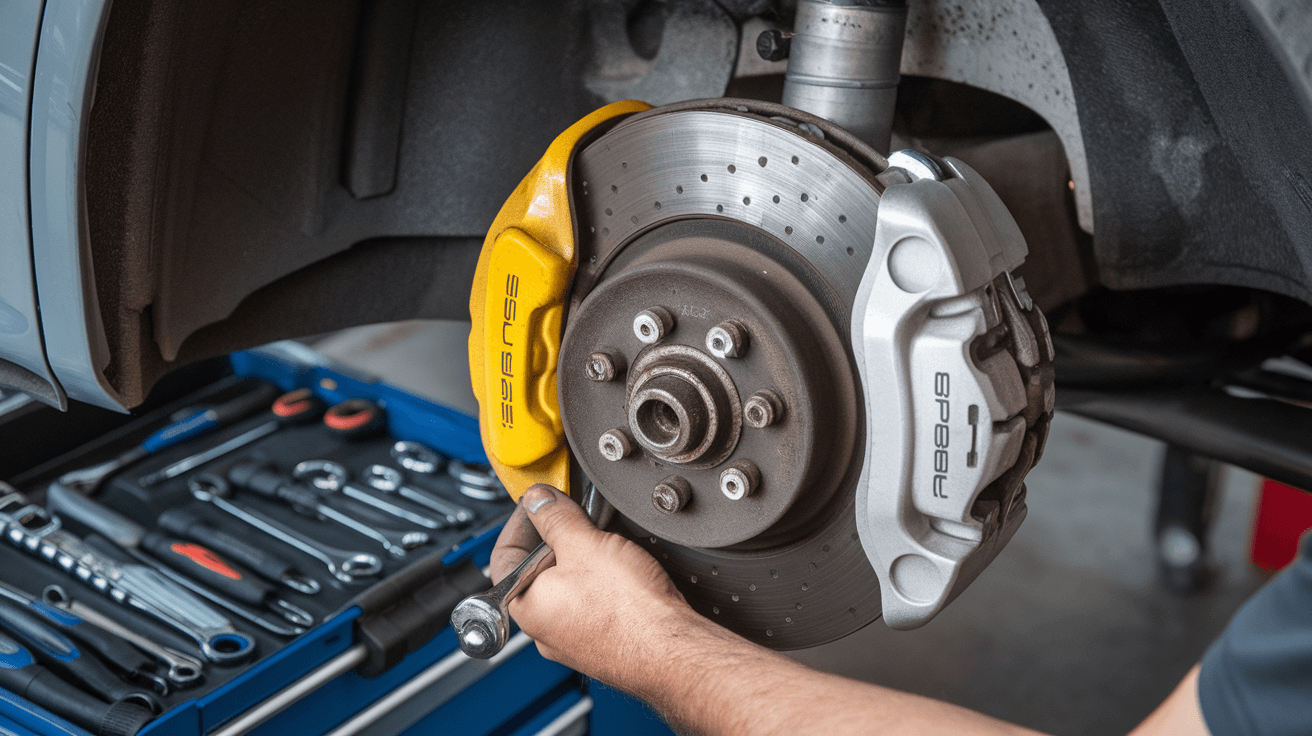
Ever pressed your Porsche’s brake pedal and thought, “Hmm, that doesn’t feel right”? Or maybe you’ve heard that squeal that makes your stomach drop because you know it’s not the soundtrack you want in your luxury ride. These are the little warning signs that often point straight toward Porsche brake repair, and ignoring them can quickly turn a minor issue into a costly fix.
Brakes aren’t just about stopping, they’re about control, safety, and yes, protecting that Porsche investment you love showing off on Sheikh Zayed Road. Every time you delay necessary Porsche brake repair, you’re putting not just your car at risk but your own peace of mind.
Let’s be real, ignoring Porsche brake issues is like ignoring chest pain, it doesn’t end well. Your car might still run, but each stop becomes a gamble. That’s why we’re breaking down the most common signs your Porsche needs brake repair, explained in plain talk so you can spot trouble before it empties your wallet.
Quick Take | 5 Warning Signs That Demand Porsche Brake Repair
Ever wish someone just gave you the straight-up list of signs your car is begging for help? That’s exactly what this is, Porsche-style. These are the classic red flags every driver should know, because when it comes to Porsche brake repair, waiting is the worst thing you can do. Spotting these symptoms early can mean the difference between a quick fix and a wallet-busting repair. Think of this as your cheat sheet for staying ahead of brake problems.
- Brake warning light or pad-wear alert
Modern Porsches are smart, with pad-wear sensors designed to warn you when the pads get dangerously thin. Sometimes, though, wiring faults or sensor glitches can trigger false alarms. That’s why it’s important not to ignore the light but also not to panic. If that light pops up, it’s your cue to get a quick check and decide if Porsche brake repair is needed right now or if it’s just an early heads-up. - Squeal that turns into grinding
First comes the squeal, a sharp high-pitched sound that’s basically your Porsche whispering, “Change my pads soon.” Ignore it, and you’ll move to grinding, which is your car screaming because the pads are gone and your rotors are being chewed up. At that point, what could have been a simple Porsche brake repair job with pad replacement becomes a rotor replacement too, and trust me, that bill hits harder. - Vibration or pulsation under braking
If you feel your steering wheel shake or your pedal pulsate when braking, it’s usually from warped rotors or uneven pad deposits. Once that starts, it doesn’t self-correct. Every stop gets rougher, and braking distances stretch out. It’s one of the clearest signs your Porsche is calling for immediate brake repair, because vibrations only get worse the longer you delay. - Spongy or long pedal travel
A pedal that feels soft or travels too far before engaging isn’t just uncomfortable, it’s unsafe. This usually happens when air sneaks into the brake lines or when brake fluid has absorbed too much moisture and lost its edge. Either way, your stopping power is compromised. That soft pedal feel is your Porsche pleading for brake repair before you end up with total brake fade in traffic. - Pulling or longer stopping distance
Ever hit the brakes and feel the car drift to one side? That’s usually uneven pad wear, sticking calipers, or surface differences on the rotors. Pair that with a noticeable increase in stopping distance, and you’ve got a serious safety risk on your hands. These are big neon signs that your Porsche needs brake repair, because control and stopping distance are everything when it comes to safety.
Ignoring these? Not an option. Every time you put off Porsche brake repair, the problem doesn’t just sit there, it grows. What starts as squeal or vibration quickly snowballs into damaged rotors, seized calipers, and risky drives. Catch these signs early, schedule Porsche brake repair, and you’ll save yourself from higher costs and scarier moments behind the wheel.
Dashboard Clues | Porsche Brake Repair Starts With Pad-Wear Lights
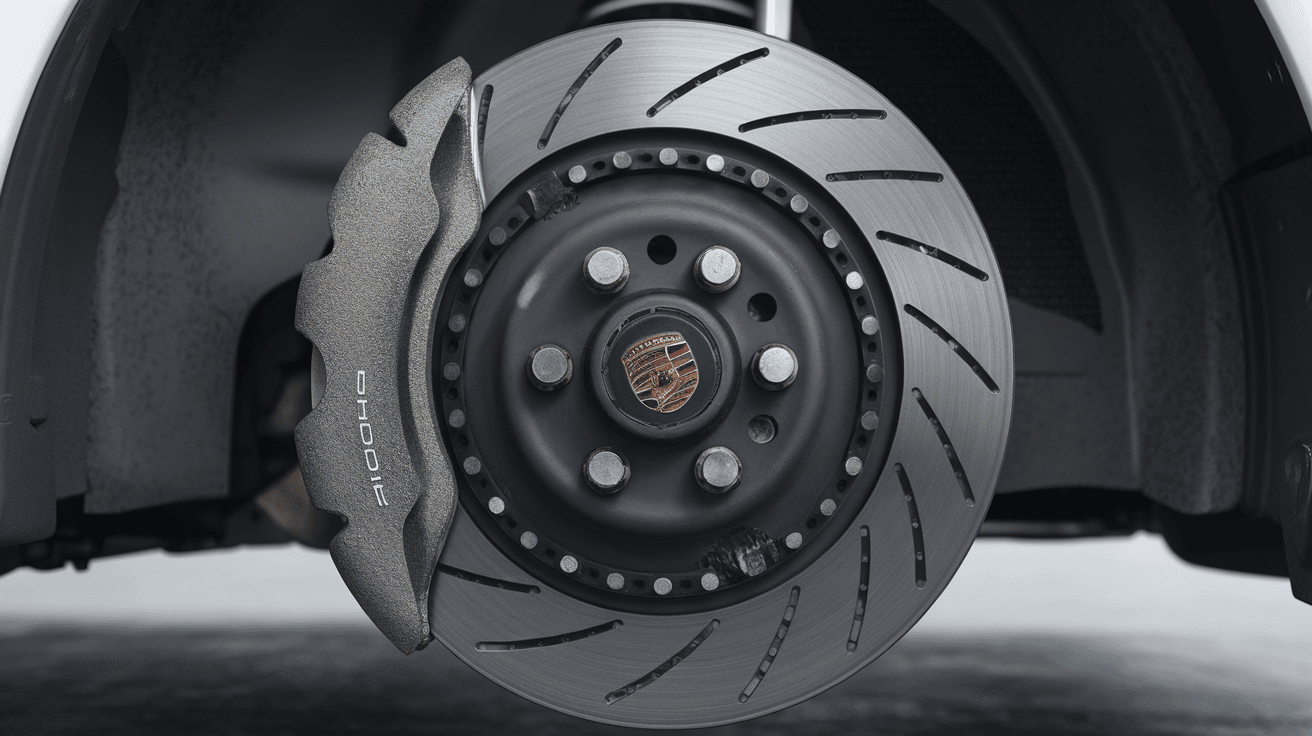
Ever noticed that little orange or red brake icon flicker on your dash and thought, “Eh, maybe it’ll disappear”? It won’t. That light is your Porsche trying to talk to you, and what it’s saying is often a cry for help. In most cases, it’s the earliest sign that Porsche brake repair is around the corner. Ignoring it doesn’t just silence the problem, it lets it grow until you’re staring at a repair bill you didn’t budget for. When it comes to brake issues, your dashboard is like the messenger, and the smart move is to listen before things escalate.
- Pad-wear sensor trips
Porsche engineers built in pad-wear sensors for a reason. These little wires sit inside the brake pads, and once the pads wear down enough, the wire makes contact with the rotor. That’s when the warning light illuminates. It’s a clever system because it gives you notice before you’re metal-on-metal. When you see it, think of it as a polite knock on the door telling you it’s time to consider Porsche brake repair. Wait too long, and the knock becomes a full-blown bang on your wallet. - ABS vs brake wear vs parking brake lights
Here’s where it gets confusing. Not every light that flashes is the same. ABS lights point to stability or traction system issues, while the brake wear light is directly connected to pad thickness. The parking brake light, well, that’s often just human error—we’ve all embarrassed ourselves by driving a few meters with it on. But here’s the catch: many owners mistake one light for another, and that’s when delays in Porsche brake repair happen. Knowing the difference saves time, money, and nerves. - False triggers
Now, not every warning is the end of the world. Sometimes corrosion, dirt, or a damaged wire can fool the system into thinking your pads are gone. That doesn’t mean you can relax. A false trigger still needs a checkup, because only a proper inspection can tell you if it’s wiring or real brake wear. And just like your sensors, even something routine like Porsche air filter replacement affects how the system responds in Dubai’s dusty conditions. Skipping this step is risky, because assuming it’s just a glitch could mean missing the moment when you truly need urgent Porsche brake repair.
Your dashboard is basically your Porsche texting you, and those alerts are the emojis you can’t afford to ignore. When it lights up, it’s a conversation starter about Porsche brake repair. Leave it on “read” and you’ll eventually pay for it, not just with cash, but with confidence every time you press the pedal. Don’t gamble with warning lights, treat them as the earliest chance to keep your Porsche safe, responsive, and worthy of the road.
Sounds That Matter | Noise That Signals Porsche Brake Repair Is Due
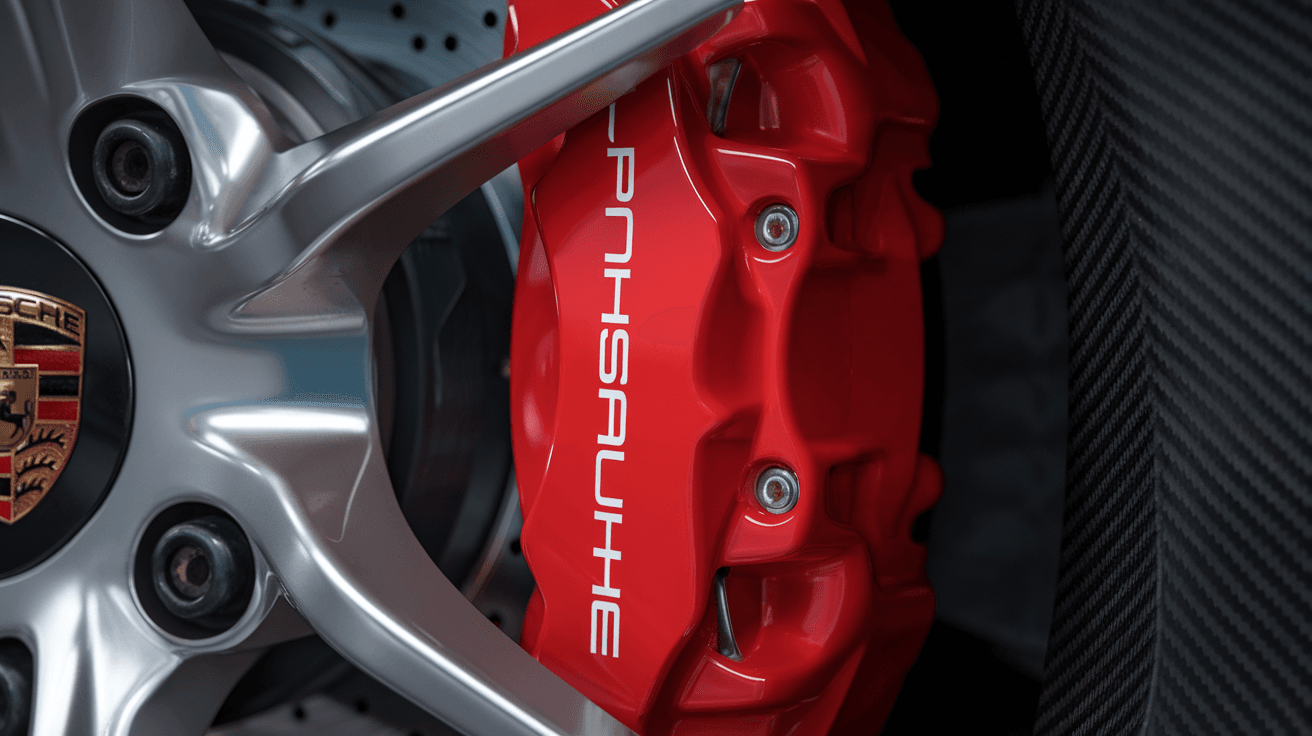
That squeal echoing through traffic? No, it’s not just Dubai heat messing with your car. It’s one of the oldest tricks in the book—brakes talking before they scream. Porsche brakes don’t whisper for long, they warn you loud and clear, and the way they do it is through sound. When you hear noises you can’t explain, chances are it’s your car nudging you toward Porsche brake repair. Think of these sounds as the playlist you don’t want on repeat, because each one comes with its own price tag if ignored.
- High-pitched squeal
That sharp squeal usually means the wear indicators on your pads are brushing against the rotors. It’s not random, it’s engineered as an early alert. Imagine it like your Porsche politely clearing its throat and saying, “Hey, swap these pads soon.” Leave it too long, and the polite squeal becomes a demand. This is often the first step that should lead you straight into a quick Porsche brake repair, saving your rotors before they join the casualty list. - Grinding or scraping
Congratulations, or maybe condolences, if you’ve made it this far. Grinding means the pads are completely worn out and your rotors are now taking the full force of friction. Not only does this destroy stopping power, but it also turns a simple pad swap into a more expensive rotor replacement. Every Porsche tech will tell you that the moment you hear grinding, you’ve already missed the cheaper window for brake repair. It’s like ignoring a toothache until you need a root canal. Painful in more ways than one. This is why getting a quick check from Porsche professionals in Dubai makes a huge difference before rotor or caliper damage sets in. - Hiss or whoosh after hard stops
Ever press the brake hard and hear a hissing or whooshing noise? That’s brake fade, your pads overheating and temporarily losing friction. On a spirited mountain drive, sure, it can happen once in a while. But if it shows up in daily traffic, your pads are cooked, your fluid might be boiling, and your system is overdue for inspection. In short, this noise is another early shout for Porsche brake repair, before fade becomes failure.
Noise is your Porsche’s way of dropping hints, and every squeal, grind, or hiss is like a red flag waving in your face. Pay attention, because ignoring sounds is the fastest way to turn a small Porsche brake repair into a nightmare invoice. Listen early, act faster, and your car will thank you with smooth, quiet stops instead of noisy, expensive drama.
Feel It in the Pedal | Vibrations That Point to Porsche Brake Repair
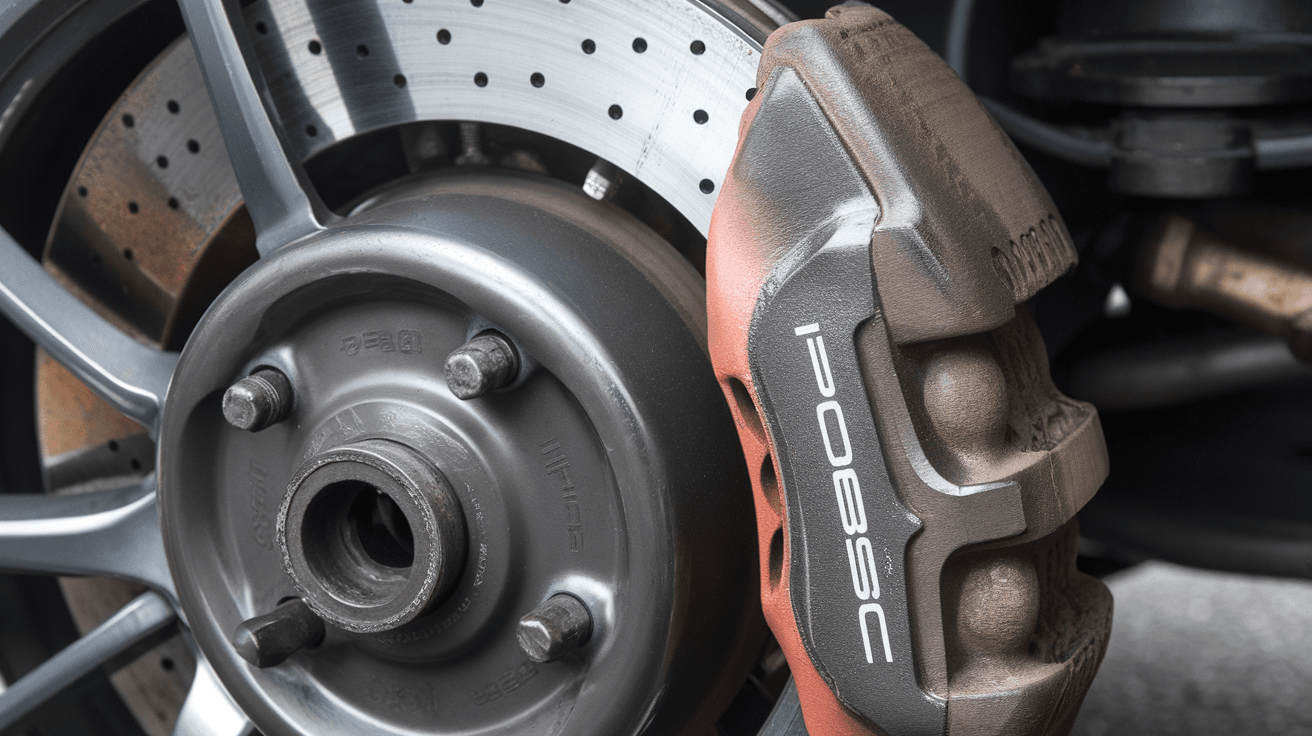
Ever slammed your brakes and felt the steering wheel shimmy like it was auditioning for a TikTok dance? Funny to watch, terrifying to drive. That’s not just your Porsche being dramatic, it’s a cry for help. When the brake pedal or steering wheel starts acting weird, it’s one of the loudest signals that Porsche brake repair is overdue. Your car is built for precision, not shaky surprises, so the moment you feel this, it’s time to take it seriously.
- Pedal or steering wheel shake
This usually comes from warped rotors, uneven pad deposits, or thickness variations. Even the smallest imperfection in the rotor surface can turn into a full-blown vibration at highway speeds. The scary part? That shake isn’t just annoying, it affects how quickly and evenly your Porsche stops. Left alone, warped rotors can also damage new pads when you finally replace them, doubling your repair cost. Early Porsche brake repair can fix this before it ruins your driving experience. - Spongy pedal feel
Push the brake pedal and it feels soft, almost like you’re stepping on a sponge? That’s never good. It usually means air has crept into the brake lines, or your brake fluid has absorbed so much moisture that it’s lost its bite. In some cases, it’s a sign of a leak hiding somewhere in the system. This isn’t just an inconvenience, it’s dangerous, because every millimeter of extra pedal travel equals slower response in an emergency. A spongy pedal is practically begging for Porsche brake repair, before “mushy” turns into “no brakes at all.” - Hard pedal with poor stopping
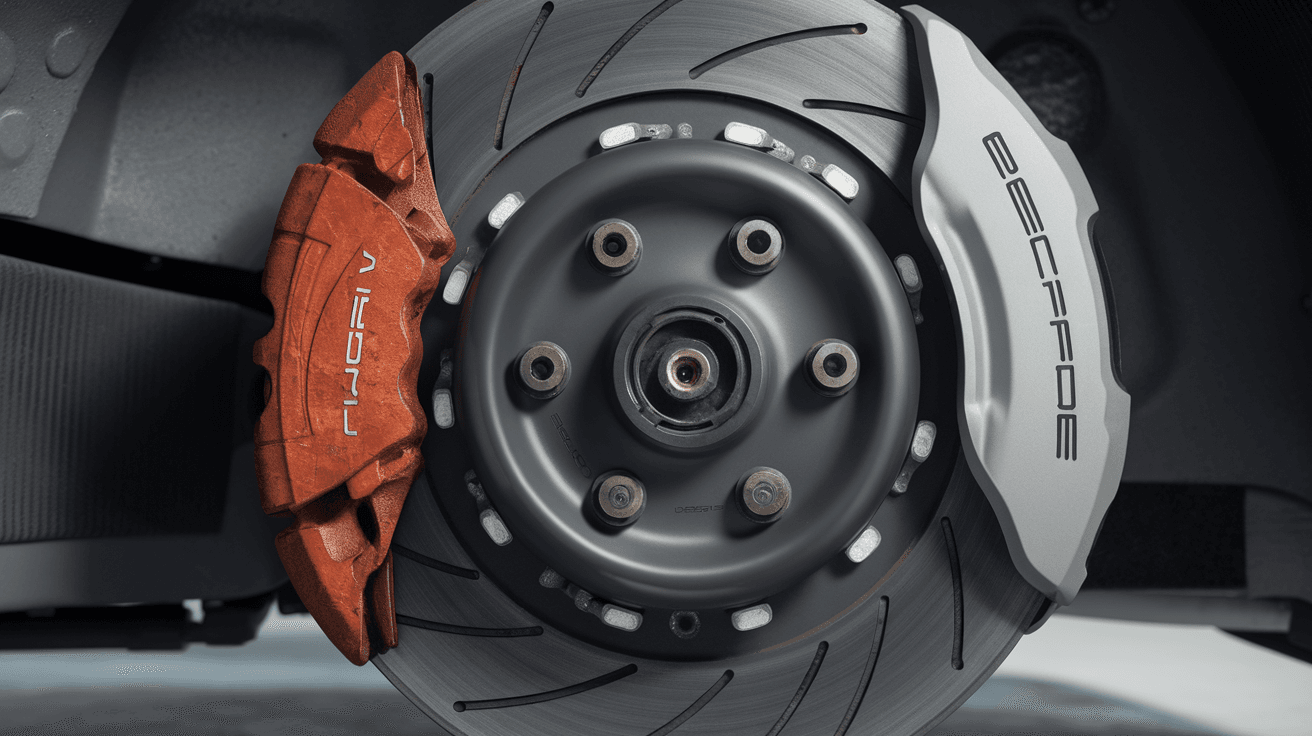
On the flip side, maybe your brakes feel stiff as a rock but the car isn’t slowing properly. In many cars, this shows up long before the dashboard alerts, and knowing Porsche brake pad replacement signs helps catch the issue early. That’s another warning flag. Blocked brake hoses, seized calipers, or vacuum booster issues can all make the pedal hard but ineffective. It’s a frustrating problem because your foot is doing the work, but the car doesn’t respond. This symptom is rare but dangerous, and it’s a clear case where only proper Porsche brake repair will restore that crisp, confident braking feel you expect.
Brakes should inspire trust every time you press the pedal. If they feel spongy, shaky, or rock-hard useless, then you’re not in control, you’re gambling every time you drive. Don’t play that game. Timely Porsche brake repair brings back the solid, confident feel you fell in love with when you bought the car.
FAQs | Porsche Brake Repair Questions Answered
How do I tell pad wear sensor vs low fluid?
Pad wear shows up as a specific brake wear light on your dashboard, usually tied directly to the pad-wear sensor that sits inside the brake pads. Once pads thin out, the wire hits the rotor and triggers the light. Low fluid, on the other hand, usually lights up a different brake system warning and often comes with a softer or spongier pedal feel. If you’re unsure, don’t ignore either sign. Both are triggers to schedule a quick Porsche brake repair inspection, because either worn pads or low fluid can leave you without proper stopping power.
Is squeal normal on PCCB or performance pads?
Yes, squeal can be normal with Porsche Ceramic Composite Brakes (PCCB) or aggressive performance pads, even when everything is healthy. These materials trade silence for stopping power, so a little squeak at low speeds isn’t unusual. That said, constant loud squealing, especially when combined with a brake wear light or reduced stopping performance, shouldn’t be brushed off. If in doubt, get it checked out, because sometimes squeal is your Porsche hinting that brake repair is due.
Can Taycan recuperation hide brake problems?
To some extent, yes. Because Porsche Taycan relies heavily on regenerative braking, the hydraulic brakes often get less use. That means pads and discs wear more slowly, but the downside is they can corrode if not engaged regularly. Porsche even programs in automatic brake scrubbing to keep them clean, but that doesn’t replace inspections. If you rely on recuperation alone, you might miss early signs of wear or sticking calipers. A periodic Porsche brake repair check ensures the traditional system is just as ready as the electric one.
Why does my steering wheel vibrate only when braking at highway speeds?
That vibration usually points to rotor runout, uneven pad deposits, or heat spots on the rotors. At low speeds, the effect is minimal, but at 100 km/h and above, even tiny imperfections magnify into full steering wheel shake. Left untreated, it leads to faster pad wear and longer stopping distances. This is a classic sign that your car is overdue for Porsche brake repair, specifically rotor resurfacing or replacement paired with new pads.
How long can I drive after the brake wear light appears?
Not long at all. That light usually means your pads are down to 1–2mm of material, which is the absolute minimum. At this stage, braking efficiency is reduced, heat builds faster, and your rotors are at risk of damage. You might get a few more short drives out of it, but it’s strictly emergency-only territory. Continuing to drive is risky for both your safety and your wallet. The smart move is to book Porsche brake repair immediately and get those pads replaced before they chew through your rotors.