
Cayman Vehicle Engine Replacement Cost | Options & Pricing
Replacing a Cayman vehicle engine is a critical decision, but understanding the Cayman engine replacement cost can make it easier. Whether you’re considering a 2.7L Cayman engine replacement or upgrading to a 3.4L option, knowing your choices is key. Explore the pros and cons of rebuilt engines, used engines, and the labor costs involved. Discover everything you need to make the best decision for your Cayman engine replacement. Read on to get all the details!
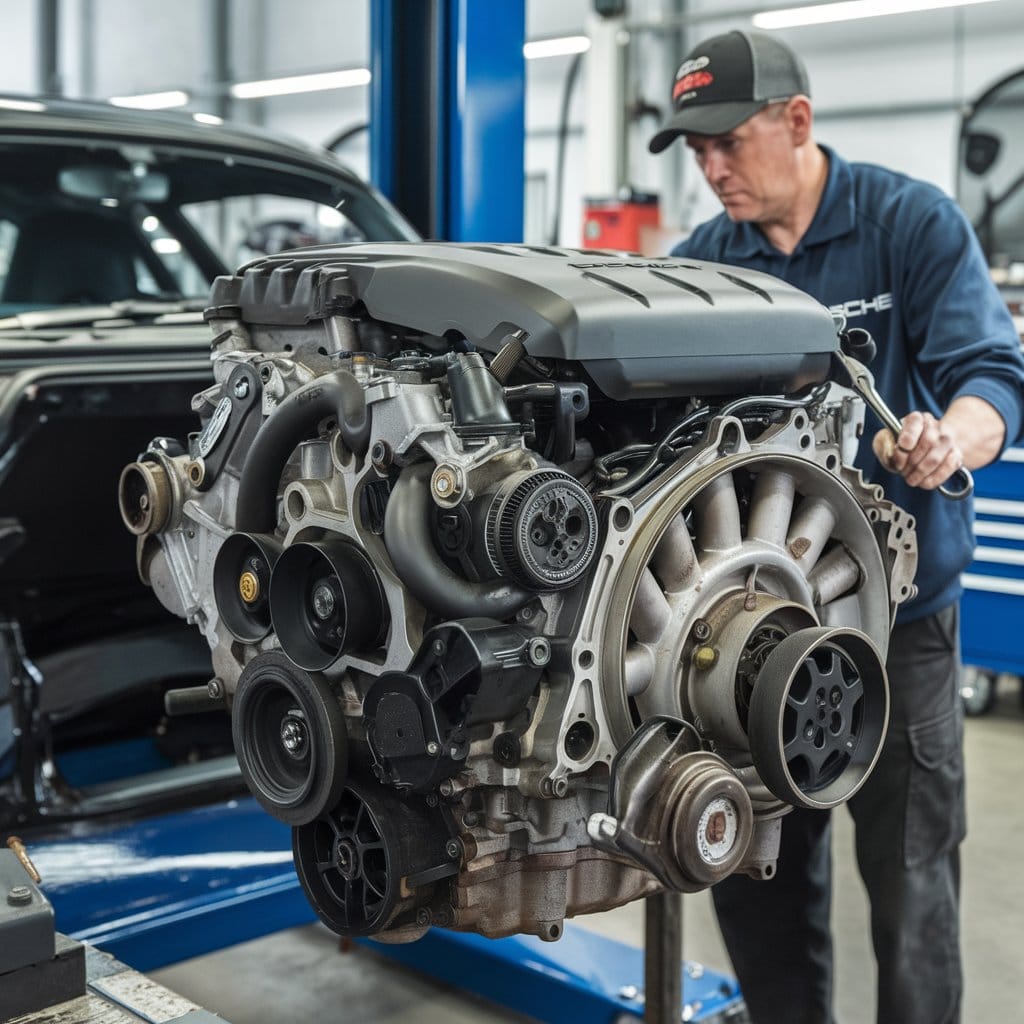
Types of Cayman Vehicle Engines
When considering a Cayman vehicle engine replacement, knowing the specific engines available in different Cayman models is essential. Each model offers unique performance capabilities tailored to various driving styles. Here’s a breakdown of Cayman models and their engine types:
Cayman 987 (2005–2012)
- 2.7L Flat-6 Engine: Produces up to 245 horsepower, perfect for balanced performance.
- 3.4L Flat-6 Engine (Cayman S): Delivers up to 295 horsepower, designed for enhanced speed and handling.
Cayman 981 (2012–2016)
- 2.7L Flat-6 Engine: Offers up to 275 horsepower with improved efficiency.
- 3.4L Flat-6 Engine (Cayman S and GTS): Produces up to 340 horsepower for sportier performance.
Cayman 718 (2016–Present)
- 2.0L Turbocharged Flat-4 Engine: Delivers 300 horsepower, a more efficient yet powerful option.
- 2.5L Turbocharged Flat-4 Engine (Cayman S): Provides 350 horsepower for thrilling acceleration.
- 4.0L Flat-6 Engine (Cayman GTS 4.0, GT4, and Spyder): Generates up to 420 horsepower, perfect for high-performance driving.
Each engine type reflects a commitment to performance and precision. Knowing your model’s engine ensures a more informed decision for your Cayman vehicle engine replacement, tailored to your needs and driving preferences.
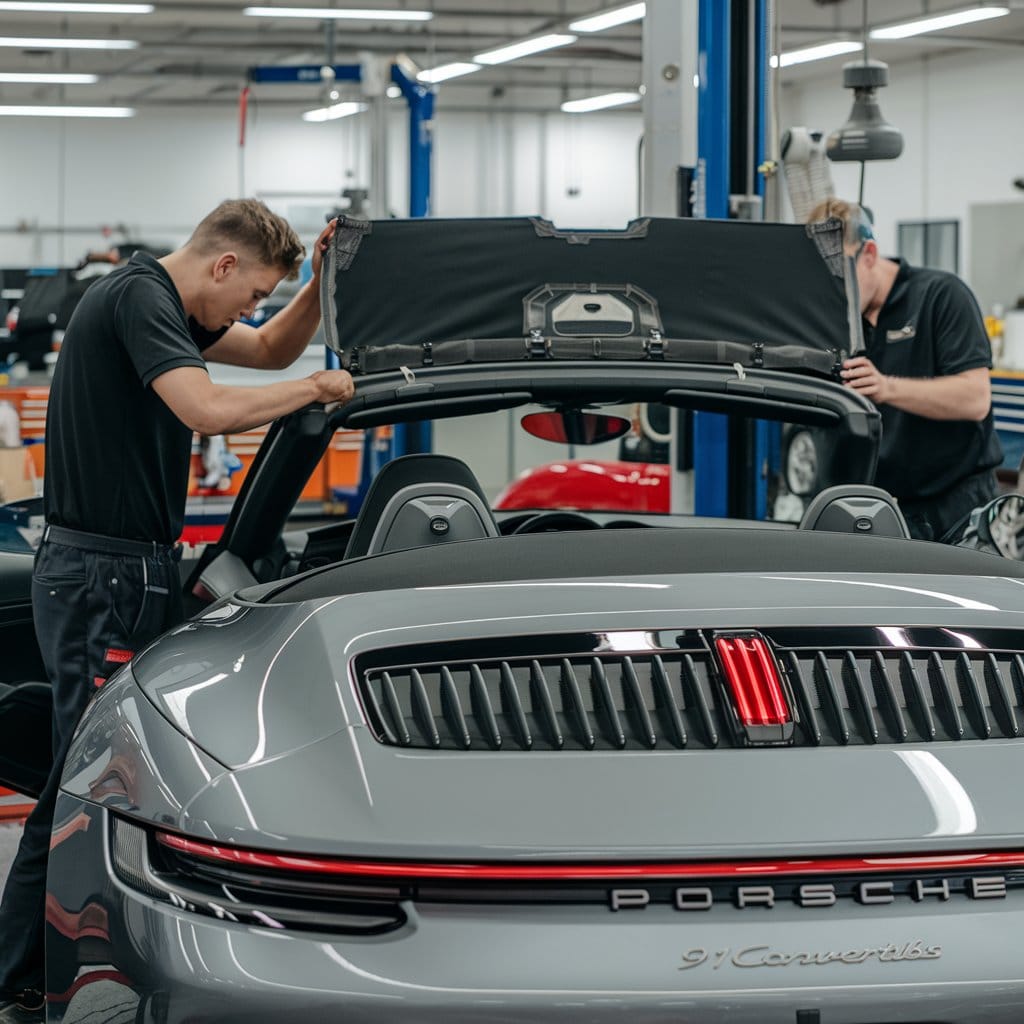
Common Causes of Cayman Vehicle Engine Failure
Engine failure in a Cayman vehicle is often the result of specific mechanical or operational issues. Identifying these causes can help prevent the need for a costly Cayman engine replacement. Here are the detailed reasons:
- Oil Starvation: Prolonged low oil levels or failure to change the oil can result in severe wear on the engine’s moving parts, leading to catastrophic failure.
- Overheating Due to Thermostat or Radiator Issues: A faulty thermostat, blocked radiator, or leaking coolant can cause the engine to overheat and seize.
- Timing Chain Failure: Worn-out timing chains or guides can lead to improper synchronization of the engine, causing valve damage or piston failure.
- Cylinder Scoring: This occurs when debris or lack of lubrication causes scratches on the cylinder walls, reducing engine performance and leading to eventual failure.
- Coolant Contamination: Mixing coolant with oil, often due to a failed head gasket, can corrode engine components and lead to failure.
- Ignition System Malfunctions: Repeated misfires due to faulty spark plugs or coils can cause internal engine damage over time.
- Turbocharger Issues (718 Models): Turbocharged engines, like those in the 718 Cayman, are susceptible to excessive heat or pressure, leading to turbo failure and related engine damage.
- Exhaust Gas Recirculation (EGR) Valve Blockage: A clogged EGR valve can cause carbon buildup, impacting engine efficiency and lifespan.
- Fuel Delivery Problems: A failing fuel pump or clogged fuel injectors can cause the engine to run lean, leading to overheating and damage.
- Improper Engine Tuning: Aftermarket modifications or poor tuning can stress the engine, causing pre-detonation or excessive strain on internal components.
Cayman Repairs & Services
Common Causes of Cayman Vehicle Engine Failure
Engine failure in a Cayman vehicle is often the result of specific mechanical or operational issues. Identifying these causes early can help prevent the need for a costly Cayman engine replacement. Here are the most common reasons:
- Oil Starvation: Running on low oil or skipping oil changes can cause severe wear on engine components, leading to complete failure.
- Overheating from Thermostat or Radiator Issues: A faulty thermostat, blocked radiator, or coolant leak can cause the engine to overheat and seize.
- Timing Chain Failure: Worn timing chains or guides disrupt engine timing, often resulting in valve damage or piston contact.
- Cylinder Scoring: Caused by debris or poor lubrication, this damages cylinder walls, reduces performance, and may lead to engine failure.
- Coolant Contamination: A failed head gasket can mix oil and coolant, corroding internal engine components.
- Ignition System Malfunctions: Misfires from faulty spark plugs or coils can cause internal engine damage over time.
- Turbocharger Issues (718 Models): Turbocharged Cayman variants are vulnerable to excess heat or pressure, which can cause turbo and engine damage.
- EGR Valve Blockage: A clogged exhaust gas recirculation (EGR) valve may result in carbon buildup, harming engine performance and longevity.
- Fuel Delivery Problems: A weak fuel pump or clogged injectors can cause a lean mixture, leading to overheating and wear.
- Improper Tuning or Modifications: Poor tuning or aggressive aftermarket modifications can stress the engine and cause internal failure.
Factors Affecting Cayman Engine Replacement Cost
The cost of a Cayman Engine Replacement can vary depending on several important factors. Understanding these factors can help you plan better and avoid unexpected expenses.
- Engine Type: The cost differs for a 2.7L Cayman Engine Replacement, 3.4L Cayman Engine Replacement, or newer turbocharged options. Larger and more powerful engines typically cost more.
- Condition of the Engine: A brand-new engine is more expensive than a rebuilt Cayman engine or a used Cayman engine.
- Labor Costs: The cost of skilled labor can vary, especially in Dubai. Complex replacements like engine swaps can take more time and increase costs.
- Parts and Accessories: Additional parts, such as gaskets, seals, and hoses, can add to the total cost during the replacement process.
- Model Year: Older models, like the 987 Cayman, may have lower replacement costs compared to newer models like the 718 Cayman, due to differences in technology and availability of parts.
- Warranty and Guarantees: Engines with a longer warranty or from trusted sources may cost more upfront but provide better reliability.
Cayman Engine Replacement Cost
Understanding the costs involved in a Cayman Engine Replacement can help you make informed decisions. Here’s a detailed breakdown of potential expenses:
Brand-New Engine
A factory-new engine ensures top-tier performance and reliability, with costs ranging between AED 25,000 to AED 40,000, depending on the model and engine type.
Rebuilt Cayman Engine
Rebuilding your existing engine with new or refurbished parts can cost AED 15,000 to AED 30,000, offering a balance between performance and affordability.
Used Cayman Engine
Opting for a used engine is the most budget-friendly choice, typically costing AED 10,000 to AED 20,000, but it may come with limited warranty options.
Labor Costs
Professional labor charges in Dubai vary by workshop, averaging between AED 5,000 to AED 10,000 for an engine replacement.
Additional Parts and Services
Expenses for gaskets, seals, fluids, or other components can add AED 2,000 to AED 5,000 to the total bill.
Each of these options comes with its own set of pros and cons, and the right choice depends on your budget, vehicle condition, and driving needs. Consulting with a trusted independent specialist experienced in Cayman vehicles ensures you get the best value for your investment in a Cayman engine replacement.
Should You Rebuild or Replace Your Cayman Engine?
The choice between rebuilding or replacing your Cayman engine depends on the extent of the damage, your vehicle’s specific model, and your driving needs. Let’s explore some specific scenarios to help you decide which option is right for your Cayman sports car.
When to Rebuild:
- Rebuilding is ideal if your engine has localized issues, such as worn piston rings, damaged valves, or a faulty timing chain.
- For a 987 Cayman, a rebuild is often chosen when dealing with cylinder scoring, which can be resolved by re-sleeving or honing.
- Rebuilding can cost AED 15,000 to AED 30,000, making it a budget-friendly option for maintaining the original engine.
When to Replace:
- Replacement is recommended if your engine has suffered catastrophic damage, such as a cracked block or complete seizure.
- For a 718 Cayman, engine replacements are often chosen due to turbocharger failure or coolant contamination that damages multiple components.
- A new engine typically costs AED 25,000 to AED 40,000, while a used Cayman engine is available for AED 10,000 to AED 20,000, offering a more affordable alternative.
Which Option for High-Performance Models?:
- For Cayman GT4 owners, rebuilding might not be feasible due to the high-performance nature of the 4.0L engine, making replacement the preferred choice for preserving power and reliability.
Choosing between a rebuild or replacement depends on the severity of the issue and your long-term plans for the vehicle. A trusted independent specialist experienced with Cayman models can perform a detailed inspection and recommend the most suitable solution for your Cayman engine replacement needs.
Having Issues with Your Cayman Engine? Contact Us Today!
Facing a major repair like an engine replacement for a sports car such as the Cayman, can feel stressful — but it doesn’t have to be. Whether you’re exploring new engine installs, rebuilds, or used engine options, understanding the available choices and their costs is essential. From 2.7L engine replacements for earlier Cayman models to upgrades for modern versions like the Cayman 718, we provide detailed insights to guide your decision.
If your vehicle is showing signs of engine trouble or you’re unsure what step to take next, our engine repair specialists in Dubai offer transparent advice and precise cost estimates. We’re here to help you get your high-performance vehicle back on the road — with the power and reliability it was built for. Reach out today to explore engine solutions tailored for Cayman-style sports cars.
FAQs About Cayman Engine Replacement
Replacing a Cayman engine typically takes 20 to 40 hours, depending on the complexity of the job and the model. For instance, a 3.4L Cayman Engine Replacement may take longer due to additional components and wiring compared to a 2.7L Cayman Engine Replacement. Labor efficiency and workshop expertise can also affect the timeline.
Yes, you can upgrade your engine during a Cayman Engine Replacement. Popular upgrades include swapping a 2.7L Cayman Engine for a 3.4L Cayman Engine or even a 4.0L Cayman GT4 Engine for enhanced performance. Engine swaps require precise compatibility checks and may involve modifying other components, such as the exhaust or transmission, to handle the increased power.
Common signs of engine failure include:
- Knocking or ticking noises from the engine.
- Loss of power or decreased fuel efficiency.
- Oil leaks or excessive smoke from the exhaust.
- Persistent check engine light.
If you notice these issues, consult a specialist immediately to avoid a complete Cayman Engine Replacement.
Replacing the engine in an older model, like the 987 Cayman, can be worth it if the car is in otherwise good condition. A rebuilt Cayman engine can restore performance without the high cost of buying a new vehicle. However, for cars with extensive wear or rust, consider the overall value before proceeding.
Many garages in Dubai offer financing options for major repairs, including Cayman Engine Replacement. Payment plans can help spread the cost of a new or rebuilt engine over time, making the process more affordable. Check with your service provider for available options.