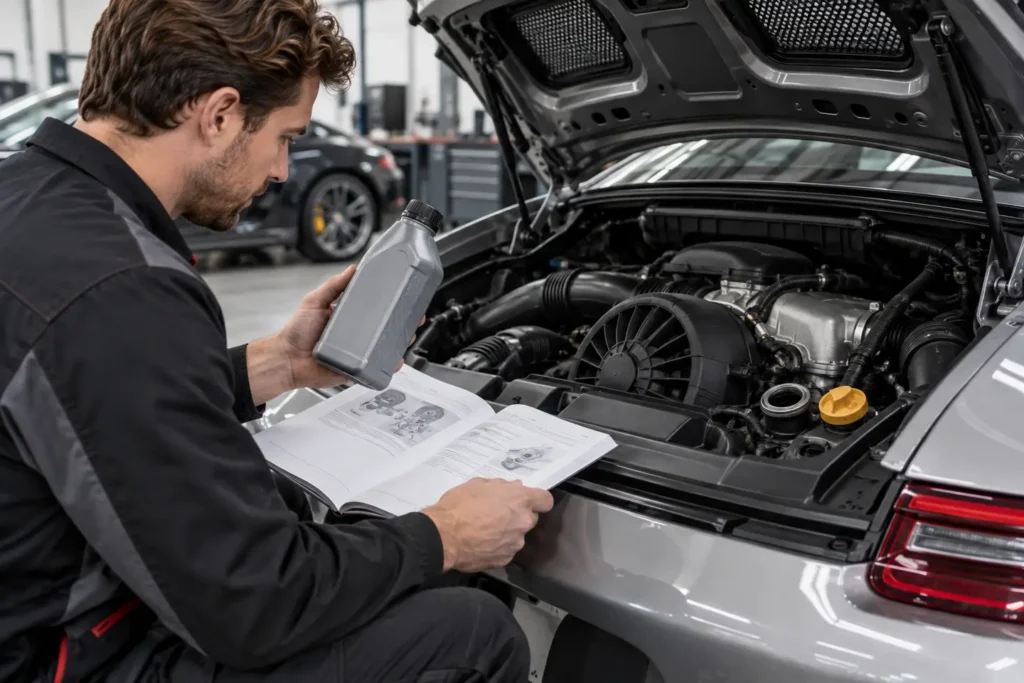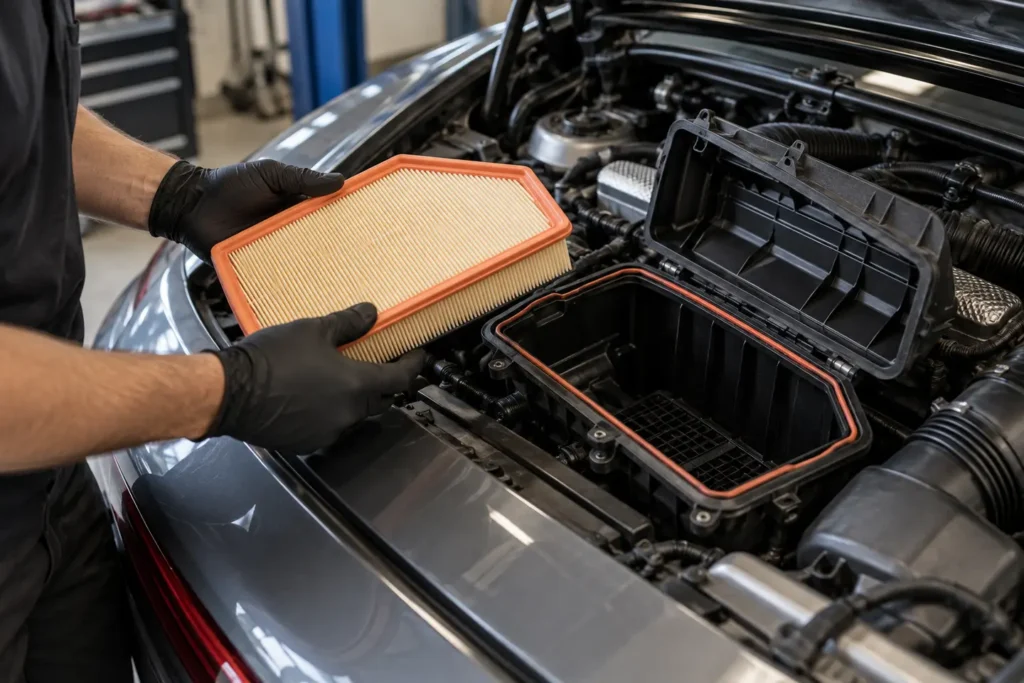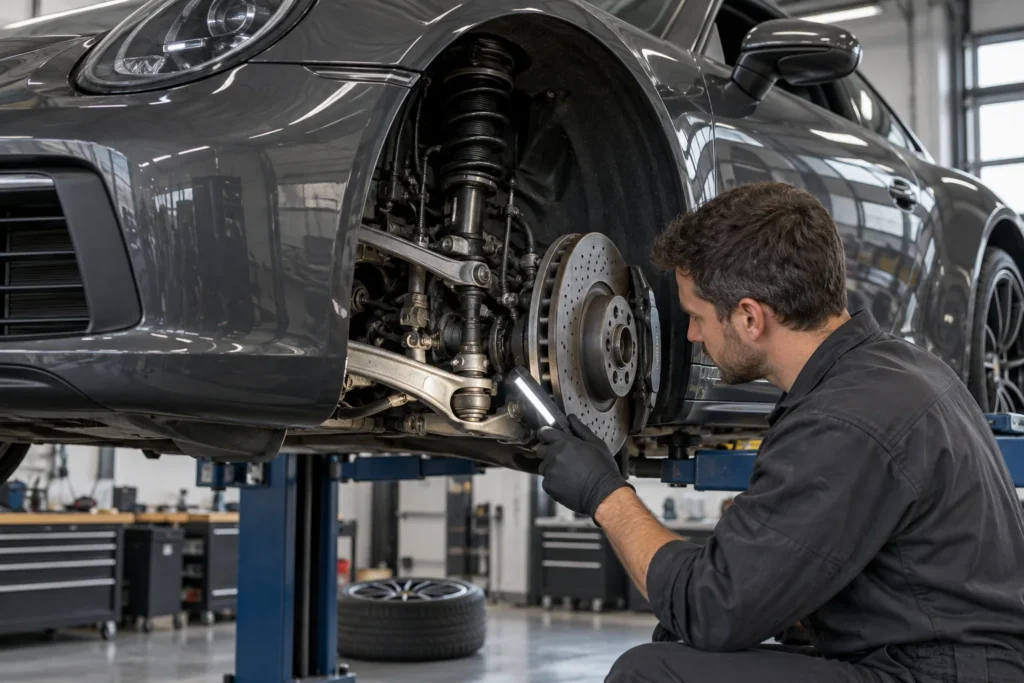


A targeted repair makes sense when testing identifies a defined fault and the rest of the engine is sound. A rebuild becomes a serious option when measured internal damage or wear requires disassembly and the engine is suitable for reconditioning. Replacement may be more sensible when damage, prior work, parts availability or total cost changes the balance. A warning light, noise or mileage alone cannot settle that choice.
This guide helps Porsche owners in Dubai understand what each symptom and test can establish, how to compare repair with rebuild or replacement, and which questions to settle before approving work. The exact engine, measured condition and written quotation matter more than a general price menu.
Repair, rebuild or replace the engine
| Option | When it may make sense | What the estimate should explain |
|---|---|---|
| Targeted repair | The fault is confined to a gasket, seal, ignition or fuel component, timing part, cooling component, turbo-related item or another defined area. | The confirmed cause, connected wear items, access labour and what remains untouched. |
| Engine rebuild | Internal wear or damage is confirmed and the engine is a sensible candidate for measured disassembly and reconditioning. | Measurements required, machining assumptions, included parts and how discoveries after strip-down are approved. |
| Replacement engine | Damage, previous repair history, parts availability or overall economics make another suitable engine the stronger option. | Engine identity, compatibility, known history where available, ancillaries included and testing after installation. |
A rebuild should not be recommended because the vehicle has high mileage alone. Likewise, a used replacement engine is not automatically cheaper once compatibility, transport, installation, fluids, seals, programming, accessories and warranty terms are considered. The choice should follow the condition of the actual engine and the owner’s plans for the car.
Engine symptoms and what they can mean
Check-engine light or rough idle
A rough idle can come from ignition, fuel delivery, intake air, vacuum leakage, sensor data or mechanical condition. A stored fault code is useful evidence, but it does not automatically identify the part that should be replaced. Misfire counters, fuel trims, live sensor values and the conditions in which the fault appears help narrow the cause.
Knock, rattle or ticking
The first distinction is when the noise appears. A cold-start rattle, accessory-drive noise, injector tick, valve-train noise and deeper internal knock do not lead to the same repair. Oil level and pressure, timing-related components and the location of the sound may all need checking before anyone recommends internal engine work.
Blue, white or black exhaust smoke
Smoke colour can point the investigation in a direction, but it is not a complete diagnosis. Oil consumption, coolant loss, fuel mixture, turbo condition and combustion quality need to be considered together. Heavy smoke combined with warning lights, overheating or severe rough running is a stronger reason to stop driving and seek workshop advice.
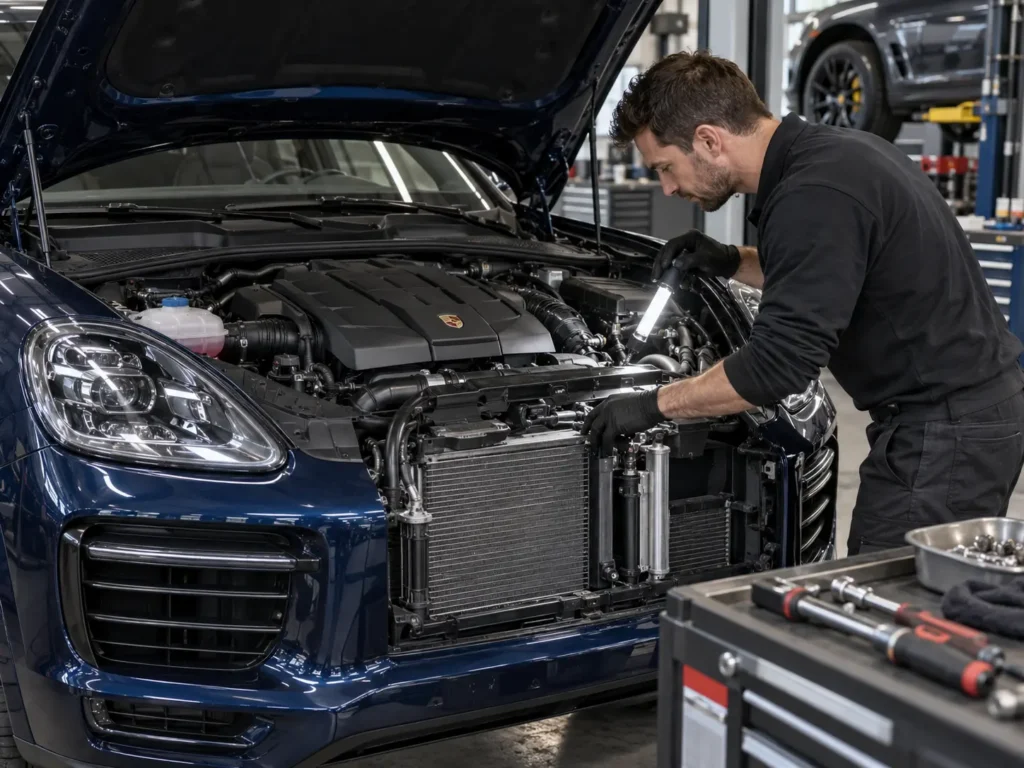
Overheating or coolant warning
Cooling faults can start outside the engine itself. Pumps, thermostatic control, radiators, fans, hoses, pipes and pressure loss can all create high-temperature symptoms. Continued driving while the engine is genuinely overheating can turn a cooling-system repair into cylinder-head or internal-engine damage, so a red temperature warning deserves immediate attention.
Oil leaks or a burning smell
Fresh oil on the floor, smoke from oil reaching a hot surface, or a falling oil level needs the source traced from the highest wet point. Old residue can make the leak look larger or appear to come from the wrong component. Confirm an external leak before assuming that the engine needs internal work.
When you should stop driving
Stop safely and follow the vehicle’s instruction if a red oil-pressure or temperature message appears, or if there is severe overheating, heavy smoke, strong knocking, major fluid loss or very rough running. Arrange recovery rather than testing how far it will drive. Warning wording differs by model and year. Check the Porsche digital owner’s manual for the exact vehicle. A flashing engine warning also needs prompt attention.
If the car is still running normally with a steady check-engine light, do not clear the fault memory before the appointment. Stored freeze-frame data and fault history can make an intermittent problem easier to reproduce.
What a useful engine diagnosis should establish
Good diagnosis moves from the least invasive useful checks toward deeper testing only when the earlier evidence supports it. That keeps a simple electrical or external fault from being turned into unnecessary dismantling.
Electronic checks
Fault memory, live data, misfire counters, sensor plausibility, fuel corrections and commanded-versus-actual values can show whether the problem is electrical, fuelling, boost-related or pointing toward a mechanical test. The tool is only useful when the readings are interpreted against the symptom.
Compression, leak-down and borescope testing
These tests become useful when simpler checks leave evidence of a cylinder-sealing problem, abnormal oil consumption, internal noise or persistent misfire. Compression compares how cylinders build pressure. Leak-down helps locate a sealing loss. A borescope can show visible bore condition. None identifies the full repair on its own. A low reading needs context from valve timing, repeat measurements and the other findings. If cylinder-wall damage is a concern, the Porsche bore-scoring guide explains when inspection is justified and what images cannot prove.
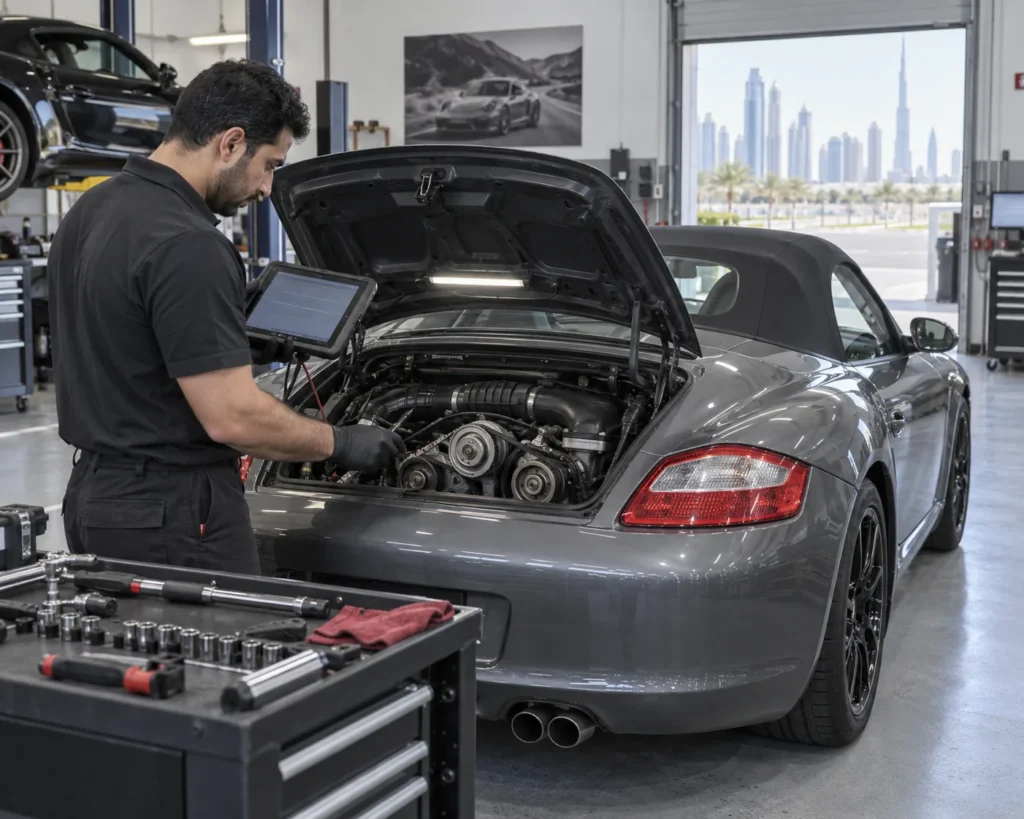
Common Porsche engine repair areas
Timing and valve-train work
Timing chains, tensioners, guides, camshaft control and related valve-train components vary by engine family. A rattle on one generation should not be treated as proof of the same failure on another. Timing correlation faults, oil-pressure condition, noise location and service history help determine the next test.
Turbocharger and boost faults
Loss of boost can come from leaks, control valves, wastegate operation, charge-air plumbing, sensors or the turbocharger itself. Oil in the intake or smoke also needs context. Replacing a turbo before checking the connected system can leave the original fault unresolved.
Ignition and fuel delivery
Spark plugs, ignition coils, injectors, pressure supply and mixture control can all create misfires and performance complaints. A fault on one cylinder is not automatically an injector or coil failure. Swapping known-good components or checking commanded and actual values can help prove the cause.
Internal wear and oil consumption
Persistent oil consumption, low compression, visible bore damage, valve sealing problems or bearing wear may move the discussion toward internal work. The evidence must be tied to the fitted engine and measured condition, not a generic mileage threshold or a symptom alone. Previous overheating, low oil pressure and earlier repair history can change whether a local repair, rebuild or replacement is sensible.
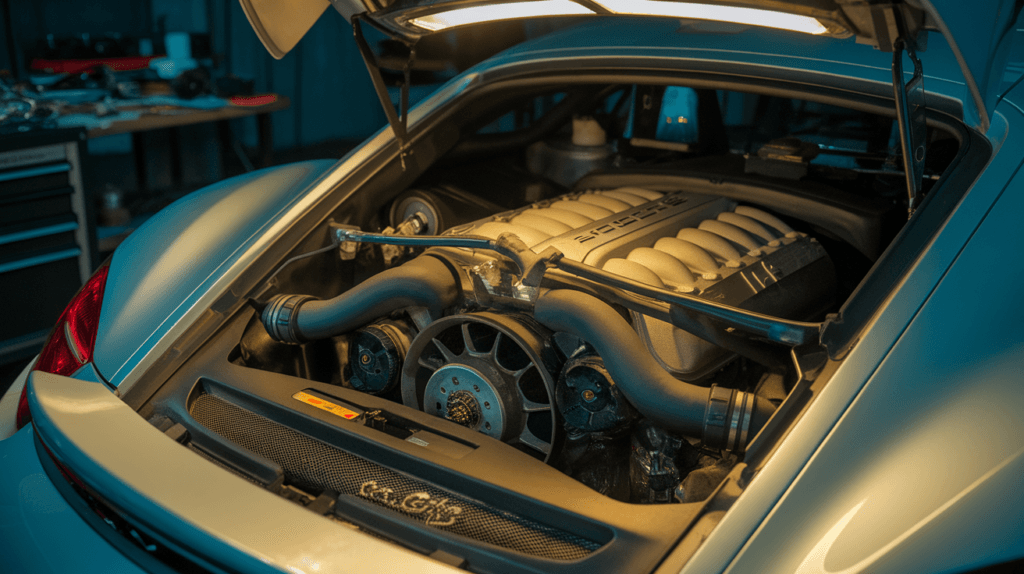
The Porsche model is not the full engine specification
A 911, Cayenne, Macan, Panamera, Boxster or Cayman badge does not identify one universal engine. Generation, engine code, turbocharging, hybrid equipment, intake layout, cooling circuits and engine position all change access and testing. Even two cars with the same model name can require different parts and repair procedures.
The VIN, model year, engine code and previous repair history are therefore useful when comparing quotations. Taycan owners should also note that the Taycan has no combustion engine. Its propulsion concerns belong with EV-specific high-voltage and drive-unit diagnosis rather than this engine-repair guide.
What your engine repair quotation should show
- The reported symptom and evidence found so far.
- The proposed repair and the parts basis.
- Labour and access included in the quoted work.
- Fluids, seals and one-time-use items included or excluded.
- Any machining, outsourced work or additional testing that is conditional.
- How further findings after dismantling will be documented and approved.
- A clear total stating whether 5% UAE VAT is included, plus the expected repair timeline.
Do not treat a headline range as a completed cylinder or piston repair price. Access, the confirmed parts, machining, seals, fluids, testing and VAT must be stated or explicitly excluded. A staged estimate can cover defined diagnosis first. The workshop can then price internal work after the condition is measured and explain how additional findings will be approved.
What to check after an engine repair
Aftercare should match the work actually performed. A reseal, timing repair, turbo overhaul and internal rebuild may have different follow-up checks. Before collection, ask which fluid levels to monitor, whether driving load should be limited, whether a reinspection is due and what new symptoms should trigger an immediate call back to the workshop.
Keep the repair invoice and diagnostic findings with the car’s service history. If a warning, fresh leak, smoke or unusual noise appears after collection, record when it happens and contact the workshop instead of waiting for the next routine service.
Porsche engine repair FAQs
Can an engine repair be quoted from a fault code?
Usually not responsibly. A code identifies the system that detected a problem. Live data, symptom reproduction and sometimes mechanical testing are needed before the failed part or repair scope is confirmed.
Does low compression always mean an engine rebuild?
No. The result should be confirmed and interpreted with leak-down findings, valve timing, bore condition where appropriate and the wider symptoms. The correct repair can range from targeted cylinder-head work to deeper internal repair or replacement.
How much does a Porsche engine rebuild cost?
There is no reliable universal rebuild total. The engine type, damage found after dismantling, reusable parts, machining, replacement parts and testing change the cost. Ask for a staged, itemized quotation with its VAT basis before approving internal work.
How long does Porsche engine repair take?
Diagnosis can be completed much sooner than a major internal repair. Timing depends on access, parts availability, machining and whether additional damage is found. The workshop should provide the expected completion time after the repair scope is known and update it if approved additional work changes the plan.
Can I drive with an engine warning?
A steady warning still needs timely diagnosis, but the urgency depends on the car’s behaviour and the message shown. Stop safely if the warning flashes, oil pressure is lost, temperature rises sharply, smoke becomes heavy, strong knocking develops or the engine runs severely rough.
When workshop diagnosis is worth it
When the fault returns, tests point to internal damage, or the repair choice remains uncertain, ask for a structured engine assessment. Our Porsche engine repair service in Al Quoz 4 can assess the specific car and prepare a written estimate. Send the model, year, engine or VIN details, exact warning and symptoms. Photos of leaks or warning screens may help plan the inspection.